

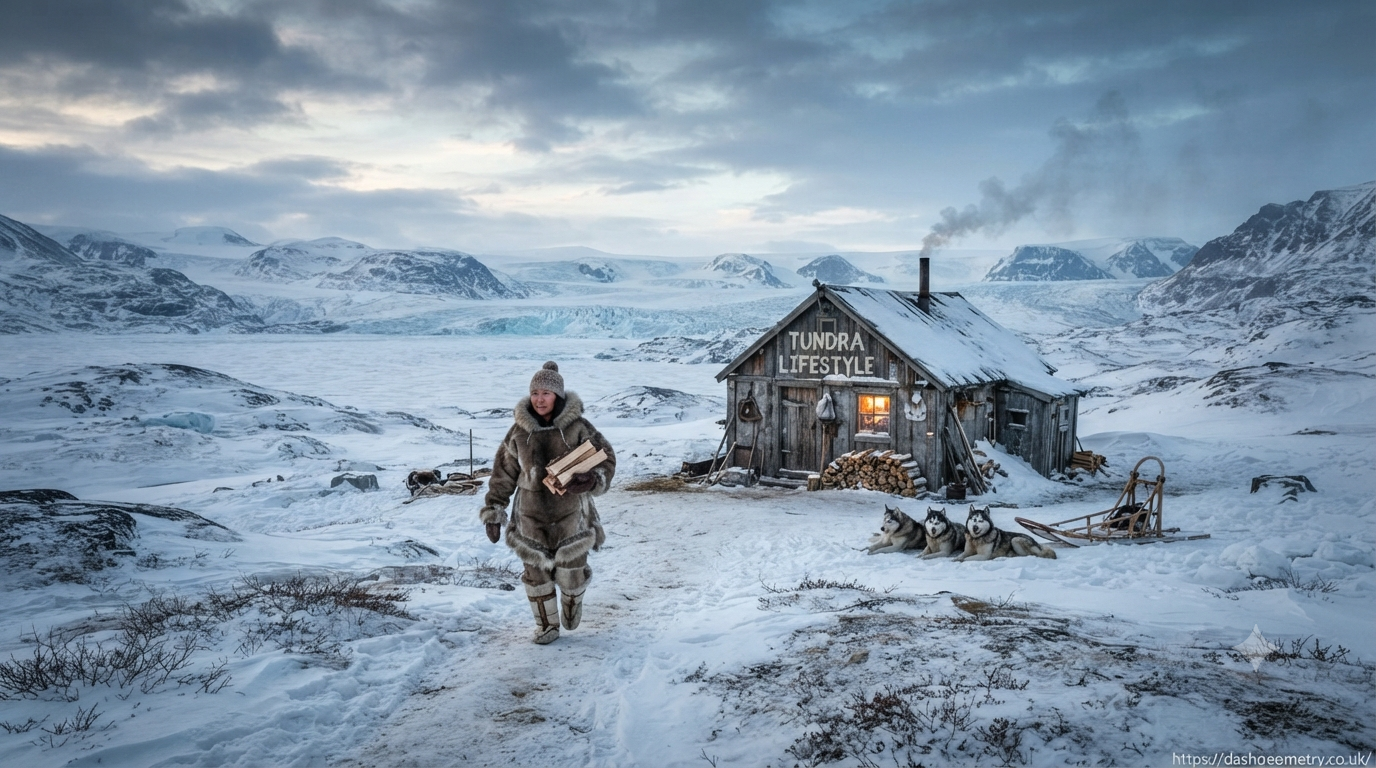
Have you ever wondered what it is like to call the frozen North your home? The tundra lifestyle is a fascinating way of living in one of the world’s harshest environments. While most people live in temperate climates, the people of the tundra have spent thousands of years learning how to thrive in the ice and snow. It is a life defined by resilience, deep tradition, and a close relationship with the land and animals around them.
What Defines the Tundra Lifestyle?
The tundra lifestyle refers to the unique daily routines of people living in Arctic regions. These areas are characterized by extremely cold temperatures, permafrost, and a lack of trees. Living here means adapting to short, cool summers and long, dark winters. For many, it is not just a place to reside; it is a heritage of survival and harmony with nature.
Traditional Roots of Northern Communities
For generations, Indigenous groups like the Inuit and the Yakut have led a tundra lifestyle. They survived by hunting caribou, seals, and whales. These animals provided almost everything they needed, from food and clothing to tools for daily life. Their survival was tied directly to their ability to read the landscape and follow the migration patterns of the herds.
Modern Changes in the North
Today, the tundra lifestyle is changing rapidly. Many families now live in permanent houses instead of nomadic camps. They use modern technology like snowmobiles and trucks to get around the vast, snowy terrain. However, they still cherish their ancestors’ wisdom, blending modern convenience with traditional values to keep their culture alive and vibrant in a changing world.
The Importance of Reindeer
For many nomads, the reindeer is the center of their tundra lifestyle. These animals are essentially the backbone of their economy. They provide meat for food, hides for warm clothing, and even transportation across the frozen tundra. A family’s success is often tied to their ability to herd and care for these vital animals throughout the harsh winter months.
Surviving the Extreme Cold
How do they stay warm? The secret to the tundra lifestyle is layering. Traditional clothing, often made from animal fur, is expertly crafted to trap heat close to the body. Modern parkas also play a huge role, but the design principles remain the same: keeping the wearer dry and warm while allowing them to move easily.
Shelter in a Frozen Land
Housing in the Arctic has evolved significantly. In the past, people built seasonal shelters like igloos during winter hunts. Now, homes are built on elevated steel piles. This clever design prevents the heat from the house from melting the frozen ground, or permafrost, which could otherwise make the building unstable and sink.
Food and Nutrition Challenges
The tundra lifestyle includes a unique diet. Many people still rely on hunting and fishing for fresh meat and fish. However, because growing plants is very difficult in such a short growing season, they often rely on food imported from the South. This makes grocery prices very high, which creates challenges for families living in remote, icy villages.
Transportation Across the Ice
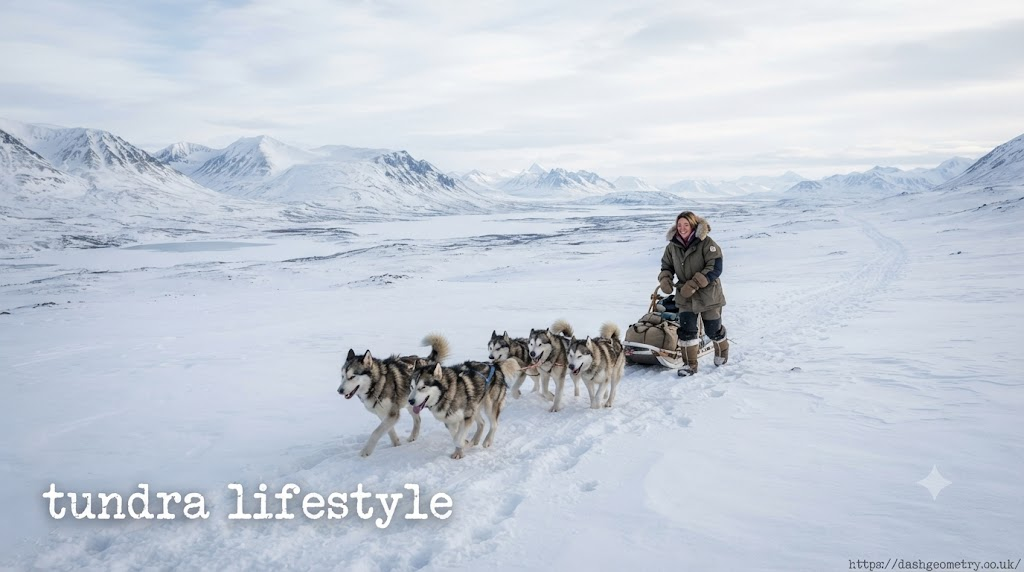
Navigating such a vast, empty space requires grit. Historically, people used sleds pulled by dogs. Today, while dogs are still loved, most people use motorized vehicles like ski-doos. These machines allow people to travel long distances across the tundra to reach other communities, hunt, or transport supplies for their families.
The Role of Community
Survival is a group effort. The tundra lifestyle emphasizes the importance of community and helping neighbors. Whether it is sharing a successful hunt or working together to repair a home, people in the Arctic understand that they are stronger together. This spirit of cooperation is what has kept these cultures strong for centuries.
Preserving Ancient Traditions
Despite the influence of the outside world, many families are dedicated to keeping their history alive. They teach their children their native languages, traditional sewing skills, and the proper way to respect the environment. The tundra lifestyle is a proud testament to human adaptability and the enduring strength of indigenous cultures.
Looking Toward the Future
Climate change is a major concern for those living this unique life. Thawing permafrost and changing weather patterns affect how they live and travel. Yet, the people of the North remain resilient. By combining their deep traditional knowledge with new solutions, they continue to navigate the future of the tundra lifestyle with hope and courage.
Biography of a Tundra Nomad Family (Example)
| Attribute | Details |
| Family Role | Reindeer Herders |
| Location | Yamal Peninsula, Russia |
| Key Activity | Seasonal Migration |
| Main Diet | Reindeer meat, fish, berries |
| Primary Shelter | Traditional tents and modern cabins |
| Transportation | Reindeer sleds and snowmobiles |
Frequently Asked Questions (FAQs)
1. Is the tundra lifestyle still practiced today?
Yes, many Indigenous groups continue to live in the Arctic and practice traditional methods alongside modern tools.
2. What do people in the tundra eat?
Their diet consists mostly of fish, caribou, reindeer, and marine mammals, supplemented by store-bought food.
3. How do they keep their homes from sinking?
Many homes are built on stilts to stop home heat from melting the frozen ground underneath.
4. Why is the reindeer so important to the tundra lifestyle?
Reindeer provide food, clothing, and transportation, acting as the main source of stability for nomadic families.
5. Is the climate too harsh for humans to live?
Humans have thrived in the Arctic for over 20,000 years by using traditional knowledge and clever survival skills.
6. How is climate change affecting the tundra?
It causes permafrost to thaw, which makes building and traveling much harder than it was in the past.
Conclusion
The tundra lifestyle is a powerful reminder of how human beings can adapt to even the most difficult environments on Earth. From their clever use of animal furs to their deep respect for the land, these communities offer us valuable lessons about resilience. If you found this glimpse into the Arctic world interesting, share it with your friends or comment below on what you admire most about these incredible, hardworking people!
