

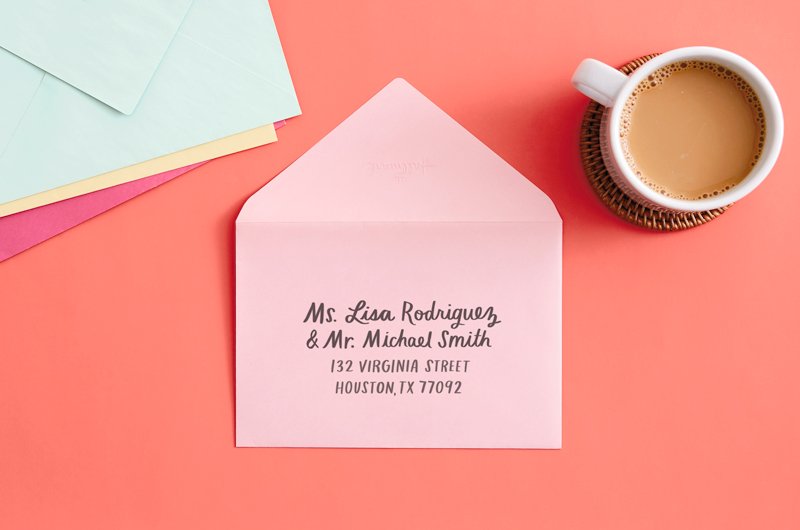
Understanding the Basics of Envelope Addressing
Addressing an envelope correctly is vital for ensuring that your mail reaches its intended destination without delays. There are key components that must be included when learning how to address an envelope properly. The primary elements consist of the recipient’s name, street address, city, state, and ZIP code. Each of these components plays a significant role in the overall delivery process, so it is essential to be attentive to detail.
The recipient’s name should be clearly written, starting with the title if applicable (such as Mr., Ms., or Dr.) followed by the first and last name. Following the name, the street address detailing the building number and street should be included. It is important to ensure that the street address is precise, including any apartment or suite numbers, which aid in the accurate sorting of mail. Next, the city must be stated clearly, followed by the state abbreviation, and concluding with the ZIP code which can often be critical for mail delivery accuracy.
There exists a distinction between personal and business envelope addressing. While personal correspondence often includes a more informal tone, business addresses should maintain a formal structure that reflects professionalism. It is also pertinent to note common mistakes that individuals may make when addressing an envelope; such as misspellings, incorrect ZIP codes, or failing to include vital components. Avoiding these pitfalls significantly contributes to the likelihood of timely delivery.
In summary, understanding the basic components of how to address an envelope is essential for effective communication, whether in personal or professional contexts. Properly addressing envelopes not only facilitates deliveries but also conveys a sense of thoughtfulness in the correspondence itself.
Formatting the Address Correctly
When learning how to address an envelope, adhering to correct formatting rules is vital for ensuring your letter reaches its intended destination. The address should typically be placed in the center of the front side of the envelope. Proper positioning not only enhances the appearance but also aids postal services in processing the mail efficiently.
The first line should include the recipient’s name, followed by the street address on the next line. If applicable, additional address information such as apartment or suite numbers should appear right after the street address, on the same line or immediately afterward. The city, state, and ZIP code follow next, forming the last line of the address. For example, consider the format:
John Doe
123 Main St, Apt 4B
Springfield, IL 62701.
When it comes to font size and style, it is recommended to use a legible, professional font such as Arial or Times New Roman, with a size between 10 and 12 points. Avoid decorative fonts that may hinder readability. If you prefer to handwrite your address, ensure that you use neat handwriting and dark ink, ideally black, to enhance visibility. Remember that clear and concise presentation significantly impacts the delivery process.
For international envelopes, the formatting rules change slightly. It is crucial to write the destination country in capital letters at the bottom of the address, ensuring it stands out. For instance:
Jane Smith
456 International Rd
London
UK. This differentiation in formats aids postal services across nations in correctly identifying the destination.
In conclusion, maintaining clarity and professionalism while learning how to address an envelope is essential, as proper formatting ensures timely and accurate delivery.
Return Address: Why It Matters
Including a return address on an envelope is essential for various reasons. First and foremost, it acts as a safety net in case the recipient’s address is incorrect or incomplete. The return address enables postal services to return undeliverable mail to the sender, thus preventing potential loss of important correspondence. Without a clear return address, any undelivered mail may become increasingly difficult to retrieve, leading to wasted efforts and unresolved communications.
Moreover, there are several scenarios where a return address is particularly vital. For example, when sending formal invitations, thank-you cards, or business correspondence, the recipient may wish to reply. A return address provides them with the necessary information to respond, enhancing effective communication. Additionally, in situations involving shipping important documents or valuable items, a return address is crucial for ensuring accountability and traceability.
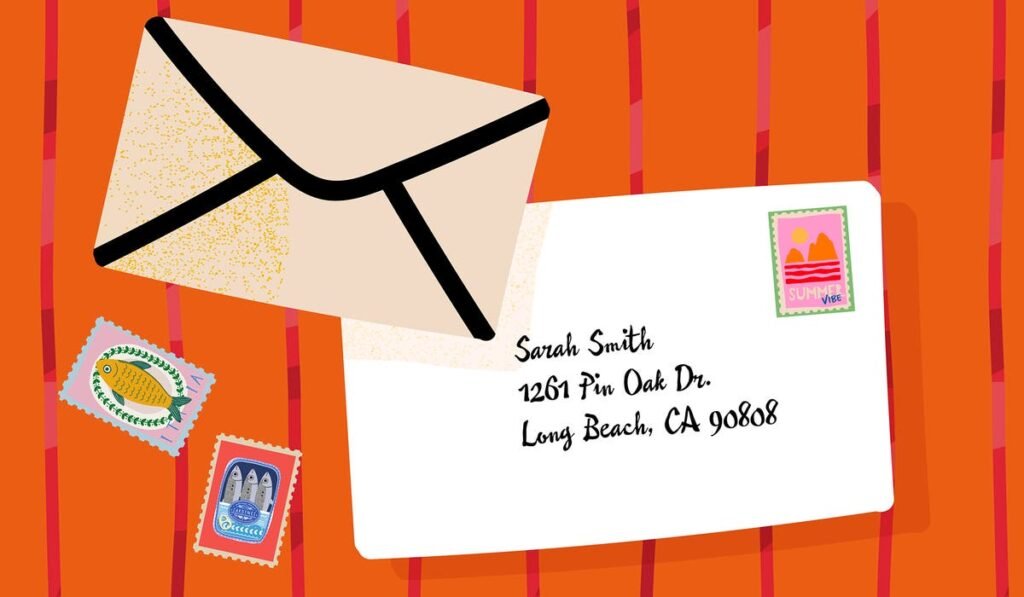
Formatting the return address correctly is also important for it to serve its intended purpose. Typically, the return address should be placed in the top left corner of the envelope. It should be written starting with the sender’s name followed by an appropriate address line, which includes the street address, city, state, and zip code. This clear formatting assists postal workers in their tasks and makes it easier for the recipient to understand where to send any replies.
In essence, omitting the return address may lead to unforeseen complications. Without it, the inability of the post office to return undeliverable mail can result in valuable correspondence getting lost, which could have significant implications in both personal and professional contexts. Therefore, understanding how to address an envelope, including the return address, is vital for effective communication.
Tips for Special Cases: Invitations, Packages, and More
When addressing an envelope, specific situations require additional considerations to ensure that your correspondence communicates the intended message clearly and appropriately. One of the most notable exceptions in envelope addressing is wedding invitations. In this instance, it is essential to include the full names of the invitees and their titles, such as Mr., Mrs., or Dr., as a sign of respect. Also, since many weddings have a formal tone, using the formal address format, including the recipient’s address in full, is advisable. For example, you would write:
Mr. John Smith
Ms. Jane Doe
1234 Elm Street
Springfield, XY 12345
Postcards present a more informal approach. Here, one might opt for a simpler style, often eliminating formal titles. The focus is on clarity and brevity; hence, a direct address would suffice:
Ms. Jane Doe
1234 Elm Street
Springfield, XY 12345
Package addressing requires particular attention to detail as well. UPS and FedEx often have specific requirements for how to address the envelope or package, especially regarding barcodes and tracking. Make sure to include the recipient’s full name, any relevant department (for business packages), and the complete return address. If sending a gift, don’t forget to add a note with the sender’s name inside the package.
For business correspondence, a professional and concise approach is paramount. Clearly include the recipient’s position, the company name, and other relevant details. For example:
Dr. Emily White
Director of Research
Best Tech Solutions
3456 Maple Avenue
Metropolis, XY 67890
By following these specific guidelines for unique situations, you can confidently address an envelope, ensuring it is tailored to your intended purpose and audience, fostering effective communication.
