

Overview of Peacock Bass
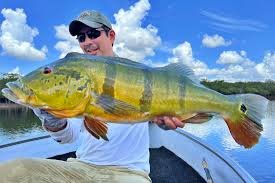
The peacock bass, belonging to the Cichlidae family, is not only renowned for its striking coloration but also its status as a prominent sport fish across various regions. This fish commonly inhabits freshwater environments, particularly in South America, where its vibrant hues and lively behavior attract both sport anglers and enthusiasts alike. Three primary species are recognized within the peacock bass category: Cichla ocellaris, Cichla temensis, and Cichla monoculus, each showcasing distinct traits and behaviors that add to their allure.
The physical features of the peacock bass are among its most striking characteristics. Typically adorned with bright green, yellow, and blue scales, these fish often display distinct dark spots on their bodies, resembling peacock feathers—hence the name. They can grow impressively, with some individuals reaching lengths of up to three feet and weights exceeding 20 pounds, making them a formidable opponent for anglers. Their large mouths and sharp teeth further enhance their predatory nature, which adds excitement to any fishing expedition.
The behavior of peacock bass is another key factor that makes them a sought-after catch. They are known for their aggressiveness, often attacking lures with vigor. This aggressive feeding behavior not only contributes to their reputation as an exciting game fish but also impacts their habitat preferences. Typically found in warm, shallow waters, they often seek refuge around submerged structures, such as fallen trees or rocky ledges, which provide excellent ambush points for hunting smaller fish. As such, targeting peacock bass becomes a strategic endeavor for sport fishing enthusiasts.
The Habitat and Distribution of Peacock Bass
Peacock bass, renowned for their vibrant coloration and aggressive feeding habits, are predominantly found in the freshwater systems of South America, particularly within the rich ecosystems of the Amazon and Orinoco river basins. These environments are crucial for the sustainability of peacock bass populations, as they provide a diverse array of habitats suitable for breeding, feeding, and sheltering.
In the Amazon Basin, peacock bass thrive in various freshwater rivers, lakes, and flooded forests. The complex interplay of river channels, flooded areas during the rainy season, and distinct water levels create a rich ecological tapestry that supports these fish. Their presence is often associated with areas featuring dense vegetation and submerged structures, which provide ideal ambush points for hunting prey.
Similarly, in the Orinoco River Basin, the combination of slow-moving waters and seasonal floodplains fosters an environment conducive to the growth and reproduction of peacock bass. These systems not only offer essential nutrients but also serve as nurseries for juvenile fish, providing them protection from larger predators.
The ecological dynamics in these habitats are vital to the survival of peacock bass. The presence of diverse prey species such as smaller fish, crustaceans, and aquatic insects allows peacock bass to maintain a robust dietary intake. Moreover, factors such as water temperature, pH levels, and overall water quality are significant for their health and reproduction. As apex predators in these ecosystems, the health of peacock bass populations is often indicative of the overall wellbeing of their habitats.
Fishing Techniques and Tips for Catching Peacock Bass
Catching peacock bass, known for their vibrant colors and aggressive fighting style, requires specific techniques and adaptations to enhance the angler’s success. The approach to successfully catch these fish often hinges on the right bait selection and gear recommendations tailored to their unique behavior.
When targeting peacock bass, live bait such as small fish or worms can be particularly effective. Additionally, lures resembling these prey, including topwater poppers and swimbaits, often entice strikes, especially during warmer months. The visual appeal and surface disturbance created by topwater lures are especially appealing to these fish. Rubber frogs and buzzbaits can also trigger exciting strikes in areas with dense aquatic vegetation.
In terms of gear, a medium to heavy action rod paired with a spinning or baitcasting reel is recommended for targeting peacock bass. A braided line with a test strength of around 30 to 50 pounds should be used to withstand the incredible bursts of power these fish can exhibit. A fluorocarbon leader can enhance presentation and reduce visibility, particularly in clear water environments.
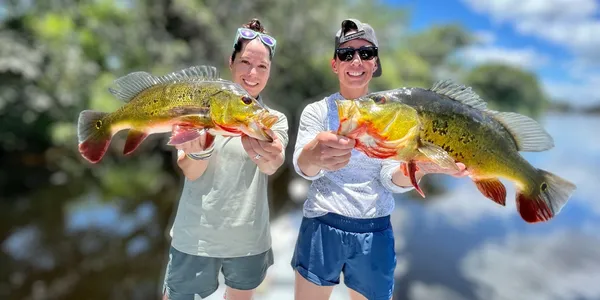
Understanding seasonal dynamics is crucial for targeting peacock bass effectively. During the warmer months, they tend to be more active, making them easier to locate in shallower waters. Conversely, during the cooler seasons, peacock bass may retreat to deeper areas or spots with warmer water. Therefore, fishing during early mornings or late afternoons, when temperatures are moderate, can significantly increase chances of successful catches.
Ultimately, mastering these techniques and adjusting to seasonal and environmental changes arms anglers with the knowledge necessary to successfully pursue peacock bass, turning their fishing endeavors into fruitful experiences.
Conservation Efforts and Future of Peacock Bass
The peacock bass, known for its vibrant colors and challenging fishing experience, faces numerous conservation challenges that threaten its populations in their natural habitats. Overfishing is one of the primary concerns, as this species is highly sought after by sport fishermen. The increased fishing pressure can lead to a decline in population numbers, which not only affects the species itself but also disrupts the ecological balance of the waterways they inhabit.
Moreover, habitat destruction caused by deforestation, pollution, and urban development significantly impacts the peacock bass and other aquatic life. Changes in land use and the introduction of agriculture can lead to waterway degradation, which diminishes the quality of the environments where peacock bass thrive. Climate change further exacerbates these issues, altering water temperatures and affecting breeding patterns and food availability.
However, various conservation efforts are underway to protect peacock bass populations and their habitats. Initiatives by non-governmental organizations and local communities are focused on sustainable fishing practices, habitat restoration, and stricter regulations to manage fishing limits. Educational programs aimed at promoting awareness of the importance of preserving aquatic ecosystems encourage anglers to adopt catch-and-release practices that help maintain fish populations.
Individuals can play a vital role in these conservation efforts by supporting sustainable fishing practices, participating in clean-up events along waterways, and advocating for policies that protect natural habitats. By understanding the significance of preserving the ecosystems that support peacock bass populations, everyone can contribute to the longevity of this vibrant sport fish and ensure its survival for future generations.
