


Defining Biography and Autobiography
Biography and autobiography are two distinct forms of life writing that serve unique purposes in literature. A biography is a narrative account of an individual’s life, crafted by another person, referred to as the biographer. This genre typically aims to provide a comprehensive exploration of the subject’s experiences, achievements, and contributions, enabling readers to understand the individual in a broader context. The role of the biographer is pivotal, as they must conduct thorough research to gather information from various sources, such as interviews, letters, or archival materials. Consequently, biography seeks to present a balanced portrayal while often interpreting the actions and motivations of the subject through the lens of the biographer’s perspective.
In contrast, an autobiography is a self-penned narrative wherein the individual recounts their own life experiences, thoughts, and feelings. This form of writing allows for introspection and deeper personal insights that may not be available in biographical accounts. Autobiographies often delve into the author’s inner life, providing readers with a unique opportunity to understand not just what happened, but also how these events influenced their character and perspective over time. The self-reflective nature of autobiography can lead to a more subjective and emotional depiction of life events, as the author engages readers with their own storytelling voice.
Historically, both biography and autobiography have played vital roles in preserving personal and cultural histories. They have gained significant popularity across various literary traditions, contributing to our understanding of both individual lives and the collective human experience. Each form caters to different reader preferences, with biographies appealing to those seeking an insightful analysis of someone else’s life, whereas autobiographies resonate with those desiring intimate reflections from the life of the author.
Key Differences Between Biography and Autobiography
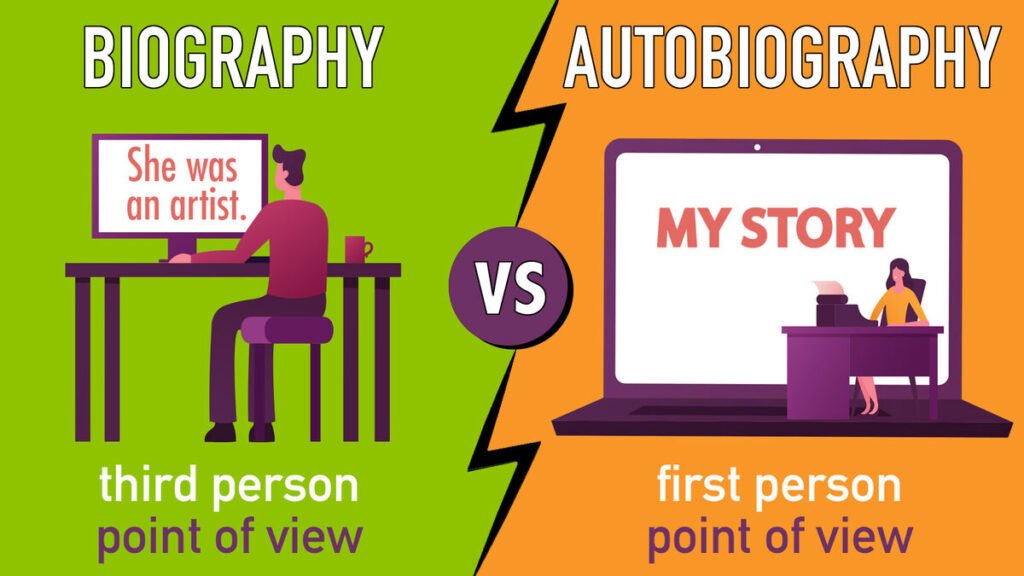
The distinction between biography and autobiography lies primarily in authorship, perspective, and the reliability of the information presented. Biographies are written by an author who is not the subject of the work, providing an external perspective on the life of the individual being chronicled. This can result in a more objective portrayal of events and achievements, as the writer can draw from a wide range of sources and viewpoints, allowing for a fuller understanding of the subject’s impact on their environment and society.
In contrast, autobiographies are authored by the individuals themselves, offering personal insights and reflections on their experiences. This first-person narrative allows readers to connect intimately with the author’s thoughts and feelings, creating a poignant sense of authenticity. However, this subjective viewpoint can also present challenges regarding reliability, as the author may have biases or gaps in memory that can affect their recounting of events.
This difference in perspective also influences the writing style associated with each form. Biographies typically adopt an academic or analytical tone that emphasizes factual details and broader context, aiming to educate the reader about the life of the individual in relation to historical or social circumstances. Meanwhile, autobiographies often embrace a more narrative style, filled with personal anecdotes and emotional reflection. The engagement level for readers can vary significantly between the two forms; some may prefer the analytical depth of biographies, while others may be drawn to the emotional resonance found in autobiographical writing.
Understanding these key differences is essential, as it informs how readers approach each genre. While biographies aim to provide an expansive view of another’s life, autobiographies delve deep into personal experiences, each offering distinct but complementary insights into a person’s life story.
Examples of Notable Biographies and Autobiographies
When examining the distinctions between biography vs autobiography, it is essential to consider examples that epitomize these literary forms. A prominent autobiography is The Diary of a Young Girl by Anne Frank. This poignant work chronicles the life of Anne during her time in hiding from the Nazis in World War II. Written in her own voice, Frank’s diary offers an intimate look at her thoughts, fears, and aspirations, providing readers with a personal account that highlights her growth and resilience. This powerful autobiography serves as a historical document as well as a testament to the trials faced by individuals during this dark period.
On the other hand, one cannot overlook Steve Jobs by Walter Isaacson, a well-crafted biography that details the life of the co-founder of Apple Inc. Isaacson based this biography on extensive interviews with Jobs as well as with those who knew him intimately. His exploration of Jobs’ innovative spirit, personal challenges, and business acumen showcases the complexity of his character. The biography not only encapsulates Jobs’ professional journey but also offers insights into his personal philosophy and impact on modern technology, solidifying it as a definitive account of a transformative figure in the tech industry.
Additionally, I Know Why the Caged Bird Sings by Maya Angelou stands out as an illustrious example of an autobiography that reflects the struggles against racism and adversity. In contrast, renowned biographical narratives like Alexander Hamilton by Ron Chernow reveal historical events from the perspective of a notable figure, demonstrating the contrast in narrative approach between encompassing someone else’s life versus narrating one’s own experiences.
Choosing Between Biography and Autobiography: Which is Right for You?
When it comes to the decision of whether to engage with a biography or an autobiography, the choice often hinges on individual interests and the purpose behind the reading experience. Biographies are typically written by authors who have researched the lives of their subjects extensively, offering readers an external perspective that encompasses various aspects of the subject’s life, including their achievements, struggles, and societal context. This can be particularly advantageous for those seeking an objective portrayal, often favored in academic or educational contexts.
On the other hand, autobiographies present a self-reflective narrative, providing insight directly from the individual’s perspective. Readers often gravitate towards autobiographies in search of personal inspiration or relatable experiences. For instance, if a reader seeks motivation from a specific figure, an autobiography may reveal personal thoughts, feelings, and motivations that significantly resonate with personal struggles or aspirations.
When deciding which genre to explore, consider what you hope to achieve. If your goal is to learn about historical events or the life of a public figure, biographies can offer a rich, factual perspective. Conversely, if you are drawn to personal stories that convey emotional depth and first-hand experiences, an autobiography is likely to be more fulfilling. To ensure the quality and credibility of your reading material, look for well-reviewed books and authors who have a reputation in their respective fields. Additionally, assessing the writing style and narrative approach will further enhance your reading experience.
Overall, understanding the nuances of biography vs autobiography can help streamline your choice according to your interests and objectives in reading. Whether for academic insight or personal growth, both genres hold profound value, contributing richly to the literary and educational landscape.
